
What is Community Solar?
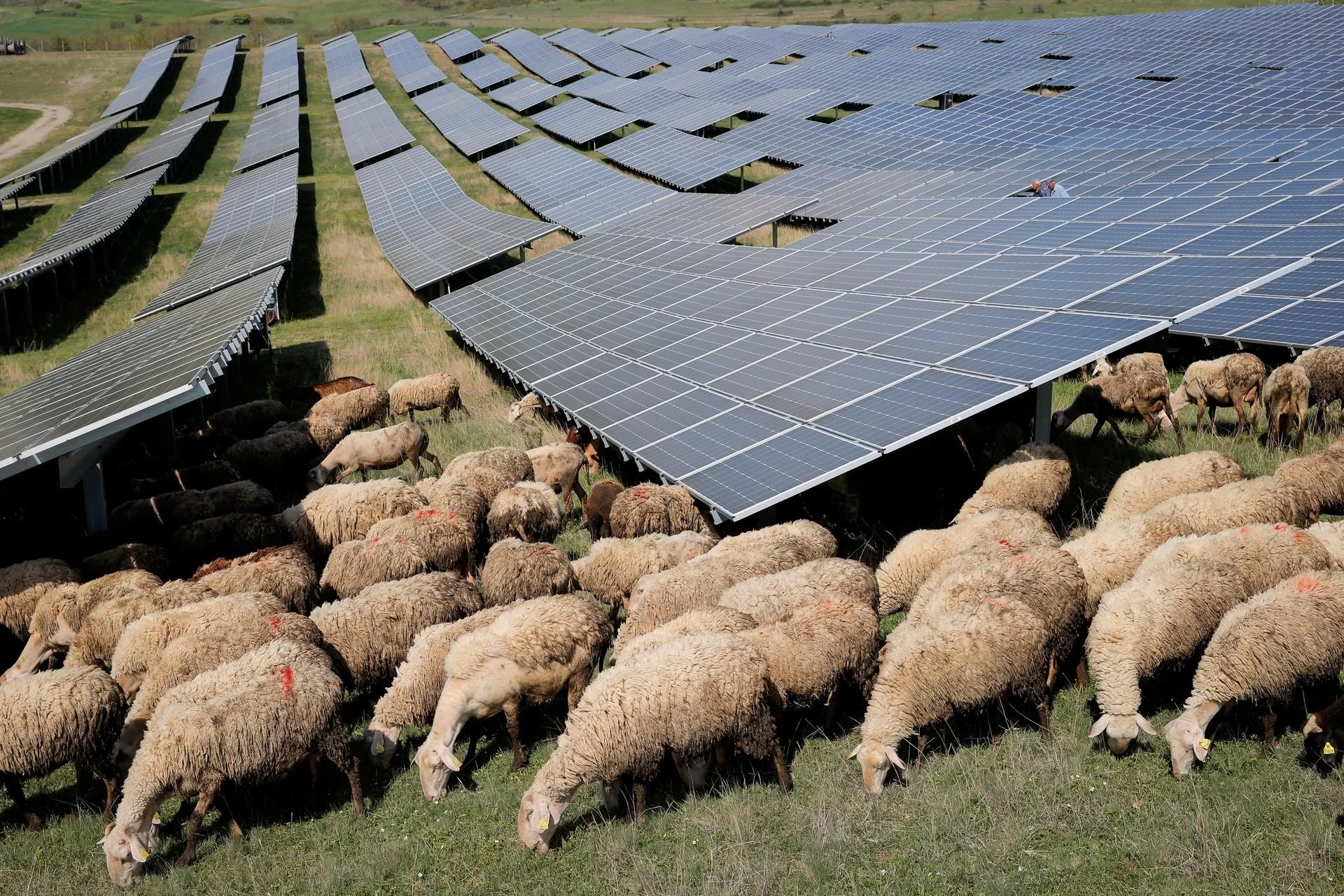
Community solar is an innovative and inclusive approach to solar energy that is bringing numerous benefits to individuals, households, and businesses across the United States. It refers to a shared solar model where local solar facilities are utilized by multiple community members, allowing them to collectively access and benefit from solar energy generation.
Community solar refers to a shared solar energy project where multiple individuals or businesses within a community collectively benefit from a centrally located solar farm or installation. It allows participants to access the advantages of solar energy generation, even if they cannot install solar panels on their own properties. Community solar projects originated as a way to overcome barriers to solar adoption, such as limited rooftop space, shading, or rental arrangements.
The specific location of community solar farms can vary widely, as they are typically established in areas with suitable solar resources and available land or rooftop space. Community solar projects can be found in various regions across the United States, ranging from rural to urban areas. Their locations are determined based on factors such as local regulations, utility policies, community interest, and access to sunlight.
The growth and popularity of community solar have been fueled by the desire for increased renewable energy adoption, the need to expand access to solar benefits, and the development of supportive policies and incentives in many states. As a result, community solar has become a widely recognized and increasingly common approach to promote solar energy access and sustainability within communities.
How it works?
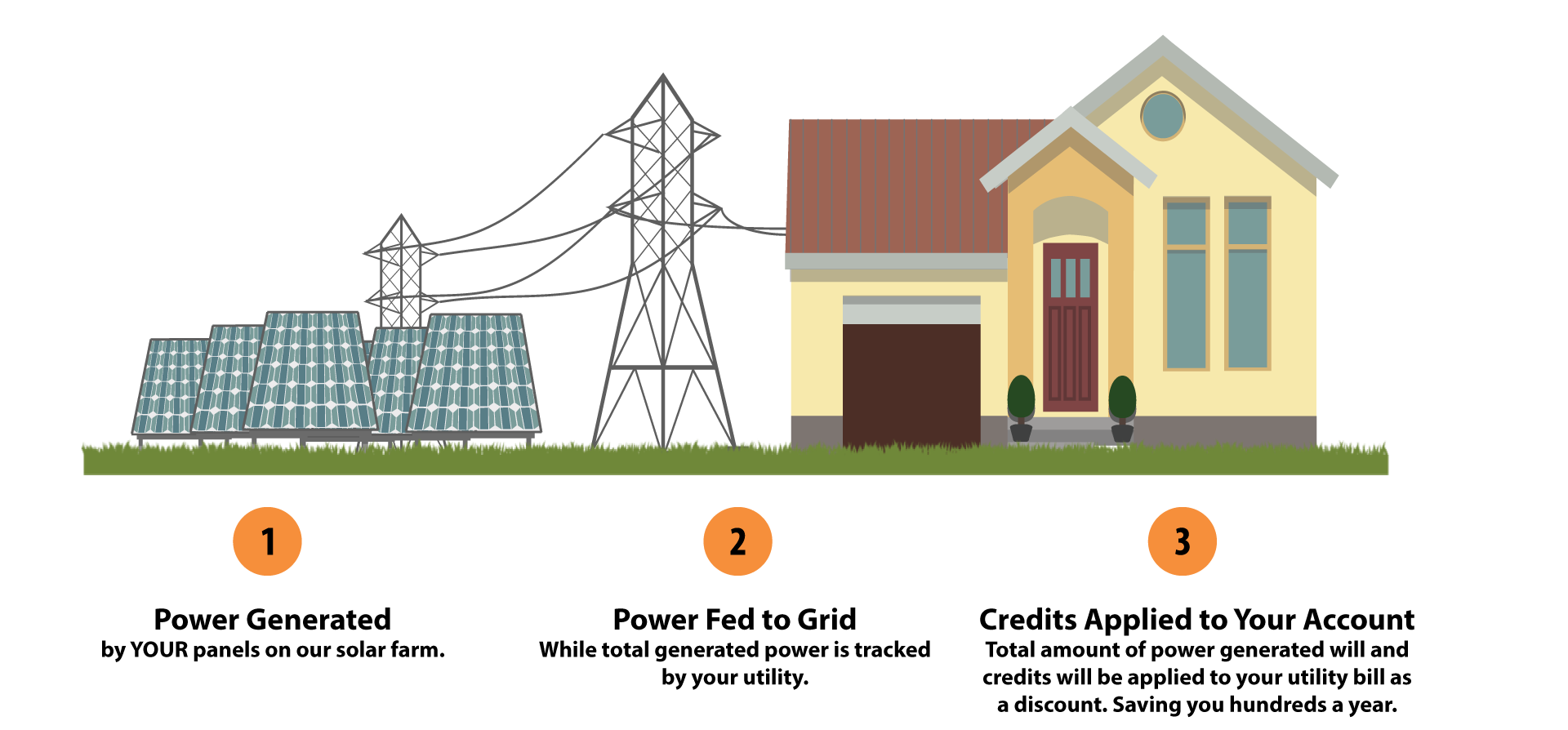
1. Solar Project Development: A solar project is developed, either as a ground-mounted installation or on rooftops, in a suitable location within the community. This can be initiated by a developer, utility company, or a community-based organization.
2. Subscriber Enrollment: Community members who are interested in participating in the community solar project can sign up as subscribers. This could be homeowners, renters, businesses, or any electricity consumer in the vicinity.
3. Allocation of Energy: The solar project generates electricity from sunlight captured by the solar panels. The energy produced is then allocated among the subscribers based on their subscription level or the number of panels they have subscribed to. This allocation is typically done in proportion to each subscriber's energy usage or agreed-upon allocation scheme.
4. Virtual Net Metering: Subscribers receive credits on their electricity bills for the energy produced by their allocated portion of the community solar project. This is facilitated through a mechanism called virtual net metering. The credits offset a portion of their electricity costs, resulting in potential savings on their monthly bills.
5. Billing and Credit Allocation: The utility company or project administrator tracks the energy production of the community solar project and allocates credits accordingly to each subscriber. These credits are then applied to the subscribers' electricity bills, reducing their net energy costs.
6. Flexibility and Portability: Community solar programs often offer flexibility and portability for subscribers. If a subscriber moves within the same utility territory, they can transfer their subscription or credits to their new location, ensuring continued access to solar benefits.
7. Operation and Maintenance: The solar project is operated and maintained by the project developer or a designated entity. They are responsible for monitoring the system's performance, conducting regular maintenance, and ensuring optimal energy generation.
FAQs
-
Community solar is designed to be inclusive and accessible to various stakeholders. Homeowners, renters, businesses, and organizations within the designated community or utility territory can participate and benefit from community solar programs.
-
1. Access to solar energy: Participants can enjoy the benefits of solar energy generation even if they cannot install solar panels on their own properties.
2. Cost savings: Subscribers receive credits on their electricity bills, potentially reducing their overall energy costs.
3. Environmental impact: By utilizing clean, renewable energy, community solar contributes to a reduction in greenhouse gas emissions and environmental footprint.
4. Community engagement: Community solar projects foster local involvement, collaboration, and awareness of renewable energy initiatives. -
Enrollment processes may vary depending on the specific community solar program. Generally, you can visit the program's website, fill out an enrollment form, and provide the necessary information. The program administrator or developer will guide you through the enrollment process and provide any additional requirements or details.
-
Yes! Community solar is an ideal solution for renters or individuals with properties that are not suitable for installing solar panels. As long as you reside within the community or utility territory served by the program, you can participate and benefit from community solar.
-
Many community solar programs offer flexibility and portability. If you move within the same utility territory, you can often transfer your subscription or credits to your new location, ensuring continued access to solar benefits. Be sure to check the specific program's policies regarding relocations.
-
Program specifics may vary, but typically, community solar programs do not require any upfront costs. Subscribers often enter into agreements with no long-term commitments, allowing flexibility for participation.
-
Community solar availability varies by region. It's best to check with local utilities, community organizations, or the program's website to determine if community solar is offered in your area.
-
To learn more about community solar or get involved in a program, visit the program's website, reach out to local utilities, or engage with community organizations focused on renewable energy. They can provide detailed information, answer your questions, and guide you through the process of participating in community solar.